
Digital Smile Designing in Kerala
A smile is rarely just about teeth. Dentists know that. Patients usually know it too, though they may not say it directly. Someone walks into a clinic complaining about spacing, discoloration, or uneven front teeth. After ten minutes of conversation, the concern often turns out to be something softer and harder to measure. They avoid photographs and smile carefully during meetings. Some have spent years learning how to laugh without showing their teeth fully. That emotional layer matters. Probably more than the cosmetic layer.
This is partly why Digital Smile Designing in Kerala has gained attention over the last few years. Not simply because the technology looks modern — though clinics certainly market it that way — but because patients now expect to participate in the process instead of passively sitting through it. The old model of smile correction felt uncertain. A patient explained what they wanted. The dentist interpreted it. Treatment began. Results appeared weeks or months later. Sometimes it worked beautifully. Sometimes the patient quietly felt disconnected from the final result. Digital smile designing changed that relationship in a fairly practical way.
What exactly is Digital Smile Designing?
At its core, Digital Smile Design is a planning method. Dentists use photographs, facial analysis, video recordings, and digital simulations to study how a patient’s smile works with the rest of the face. Not just the teeth alone. That distinction matters more than many clinics admit.
A technically perfect set of veneers may still look unnatural if the proportions ignore lip movement, facial symmetry, age, or personality. Human faces are not perfectly balanced. Trying to force mathematical perfection onto them can create strangely artificial smiles. Good smile design avoids that trap.
In many clinics offering Digital Smile Designing in Kerala, the process begins with detailed imaging and consultation. The dentist studies tooth shape, gum visibility, speech patterns, jaw movement, and facial expressions. Then a digital preview is created to show possible outcomes before treatment starts.Patients usually respond strongly to that preview stage.Not because the simulation is flawless. It rarely is. But seeing a possible version of your future smile changes the psychology of treatment. Anxiety tends to reduce once uncertainty becomes visible. And dentistry, despite all the technical language around it, is deeply psychological.
When smile correction becomes functional, not cosmetic
This is where discussions become more interesting. A lot of patients initially seek Smile correction and designing Kerala clinics for aesthetic reasons. During examination, dentists sometimes discover underlying functional issues — bite imbalance, worn enamel, grinding habits, or uneven tooth pressure. Cosmetic problems and functional problems often overlap. A chipped tooth may not simply be cosmetic wear. It could indicate jaw stress. Gaps between teeth may result from shifting caused by gum problems. Uneven smiles occasionally connect to bite alignment. So Digital Smile Designing is not always about creating a prettier smile. In some cases, it becomes a structured way to rebuild comfort and balance. Though to be fair, not every clinic approaches it with the same depth. Some rely heavily on flashy simulations and before-and-after marketing. Others spend more time studying facial harmony and long-term dental stability. Patients usually sense the difference during consultation.
The rise of smile makeovers in Kochi and
other Kerala cities
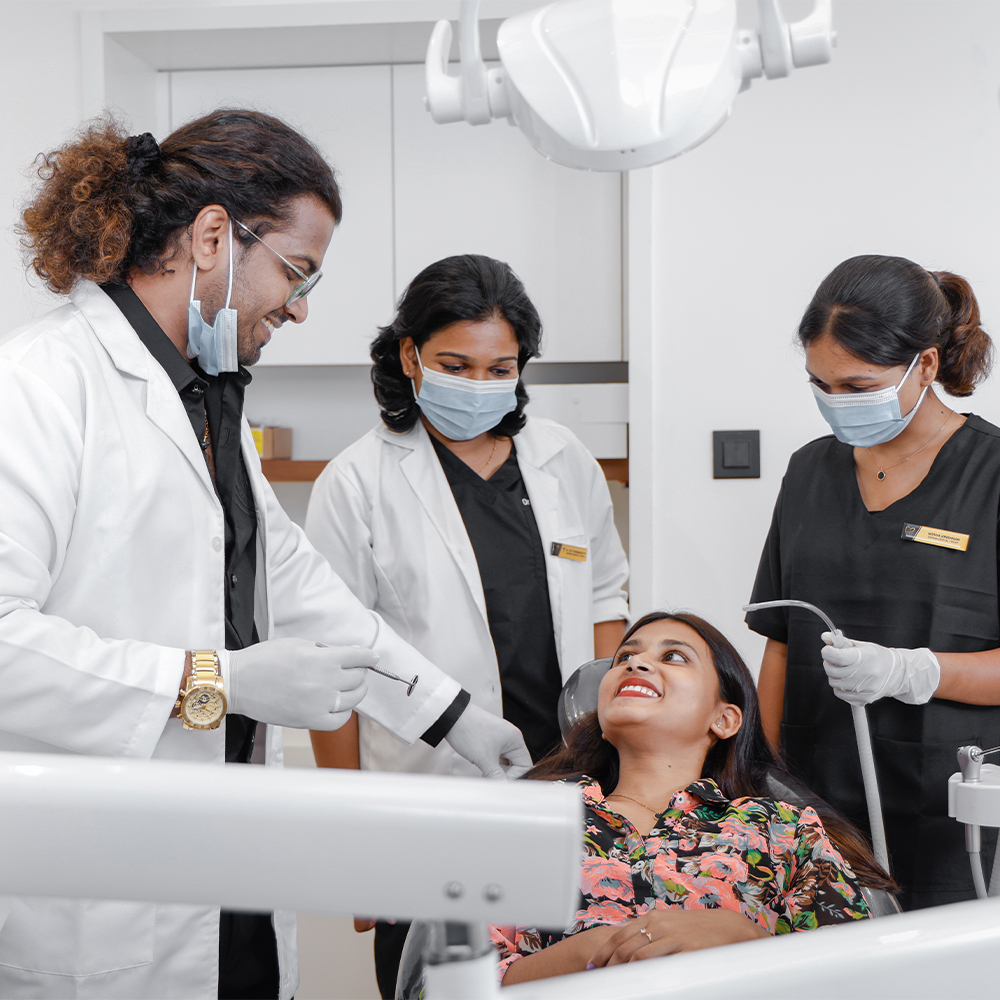
Cosmetic dentistry used to carry a slightly awkward reputation in Kerala. People associated it with celebrity culture or unnecessary luxury. That perception seems to be changing. Partly due to social media, obviously. Endless photos and video calls have made people more aware of their own expressions. But there is another reason too: dental aesthetics no longer focuses only on dramatic “perfect smiles”. Patients now ask for subtle corrections. A slightly reshaped front tooth. Closing a small gap. Reducing gum visibility. Correcting worn edges caused by grinding. The demand for a natural-looking Smile makeover Kochi clinics provide has increased because people want refinement, not transformation. There’s a difference. In fact, many dentists say patients specifically request results that do not look “done”.That may sound contradictory for cosmetic treatment, but it actually makes sense. The best smile corrections often go unnoticed. People simply think the person looks healthier, lighter, or more confident without immediately identifying why.
The consultation itself matters more than Brochures
A proper Smile design consultation Kerala clinics provide should feel less like a sales pitch and more like a discussion. That sounds obvious. Yet many patients still walk into cosmetic consultations and leave overwhelmed by treatment packages rather than informed about options.
Understanding what bothers the patient personally
Digital imaging and smile analysis
Discussion of facial proportions
Review of possible treatments like veneers, aligners, bonding, or whitening
Honest explanation of limitations
Limitations matter. Not every smile can — or should — look identical. Some patients expect instant celebrity-style results from very conservative dental structures. Others may benefit from smaller changes than they initially imagine. Experienced dentists tend to slow patients down a little. That is often a good sign.
The question everyone eventually asks:
Smile correction cost
The subject of Smile correction cost enters almost every consultation sooner or later. Quietly at first. Costs vary widely because Digital Smile Designing is not a single procedure. It’s a planning and treatment approach that may involve veneers, crowns, aligners, gum contouring, whitening, implants, or composite bonding. A minor correction may require only a few appointments and relatively moderate expense. A full-mouth rehabilitation becomes far more complex. Some clinics in Kerala package treatments aggressively. Others customize pricing on a case-by-case basis. Patients should probably be cautious of both extremes. Extremely cheap cosmetic dentistry often creates problems later. At the same time, expensive treatment does not automatically guarantee artistic or functional quality. That uncertainty frustrates patients. Understandably. Which is why consultation quality often matters more than advertisements promising “perfect smiles in three days”.
A smile should still look human
This may be the most overlooked part of cosmetic dentistry. Perfectly white, perfectly aligned teeth can look oddly disconnected from the face they belong to. Especially when age, skin tone, or facial structure are ignored. The better examples of Digital Smile Designing in Kerala tend to preserve individuality rather than erase it. Slight asymmetry. Natural translucency. Age-appropriate texture. Tiny details most people never consciously notice. Ironically, those imperfections are often what make a smile believable.
Frequently Asked Questions
What is Digital Smile Designing?
Digital Smile Designing is a technology-assisted method used to plan smile correction treatments. Dentists use facial photos, videos, scans, and digital simulations to design a smile that suits the patient’s facial features and dental condition before treatment begins.
Can I actually see my new smile before the treatment starts?
Yes. One of the main advantages of Digital Smile Designing is the ability to preview possible results digitally. While the final outcome may not look identical to the simulation, patients usually get a realistic understanding of expected changes.
How many visits does a Digital Smile Design treatment require?
That depends entirely on the treatment plan. Minor cosmetic corrections may take only a few visits. More extensive procedures involving aligners, veneers, or bite correction can take several weeks or months.
What makes Dr. Prathyush's Digital Smile Designing different from other clinics?
Patients often look for a clinic that balances aesthetics with facial harmony and long-term dental function. The difference usually lies less in the software itself and more in the dentist’s planning approach, communication style, and attention to natural-looking results
Is Digital Smile Designing Painful?
The planning and scanning stages are painless. Some treatments used within the smile design process — such as tooth preparation or gum contouring — may involve mild discomfort, though local anesthesia is generally used where necessary.
My smile looks dull and uneven. Is Digital Smile Designing the right solution for me?
In many cases, yes. Uneven spacing, worn teeth, discoloration, or asymmetry can often be evaluated effectively through digital smile analysis. The process helps determine whether small corrections or more advanced treatment would make sense.
I feel my smile doesn't suit my face. Can Digital Smile Designing make it look more balanced?
That is actually one of the main purposes of smile design. Dentists analyze facial proportions, lip movement, and tooth shape together rather than treating teeth in isolation.
I want to see how my new smile will look before committing to treatment. Is that possible with Digital Smile Designing?
Yes. Digital previews are a central part of the process and help patients make more informed decisions before treatment starts.
What are the advantages of Digital Smile Designing over traditional smile correction methods?
Traditional smile correction often relied heavily on estimation and manual planning. Digital methods allow for more detailed facial analysis, better communication between patient and dentist, and clearer treatment visualization.
I have gaps between my front teeth. Can smile correction close them without braces?
Sometimes, yes. Depending on the size of the gaps and bite condition, treatments like composite bonding or veneers may close spaces without traditional braces. Though not every case is suitable for quick cosmetic fixes. A proper evaluation matters first.

Kochi
Dr. Prathyush Derma Dental Trust
Chilavannoor road, Kadavanthra,
Metro Pillar 814,
Kochi, Kerala 682020
Phone Number
+91 85909 26727
Thiruvalla
Dr. Prathyush Derma Dental Trust
Venpala, Thiruvalla,
Pathanamthitta,
Kerala 689102
Phone Number
+91 81295 12580
Kayamkulam
Dr. Prathyush Derma Dental Trust
Bhagavathipadi, Kayamkulam,
Menampally, Kaithavalappil,
Alappuzha, Kerala 690502
Phone Number
+91 88911 93755
© 2025 Dr. Prathyush Derma Dental Trust. All rights reserved